Dust
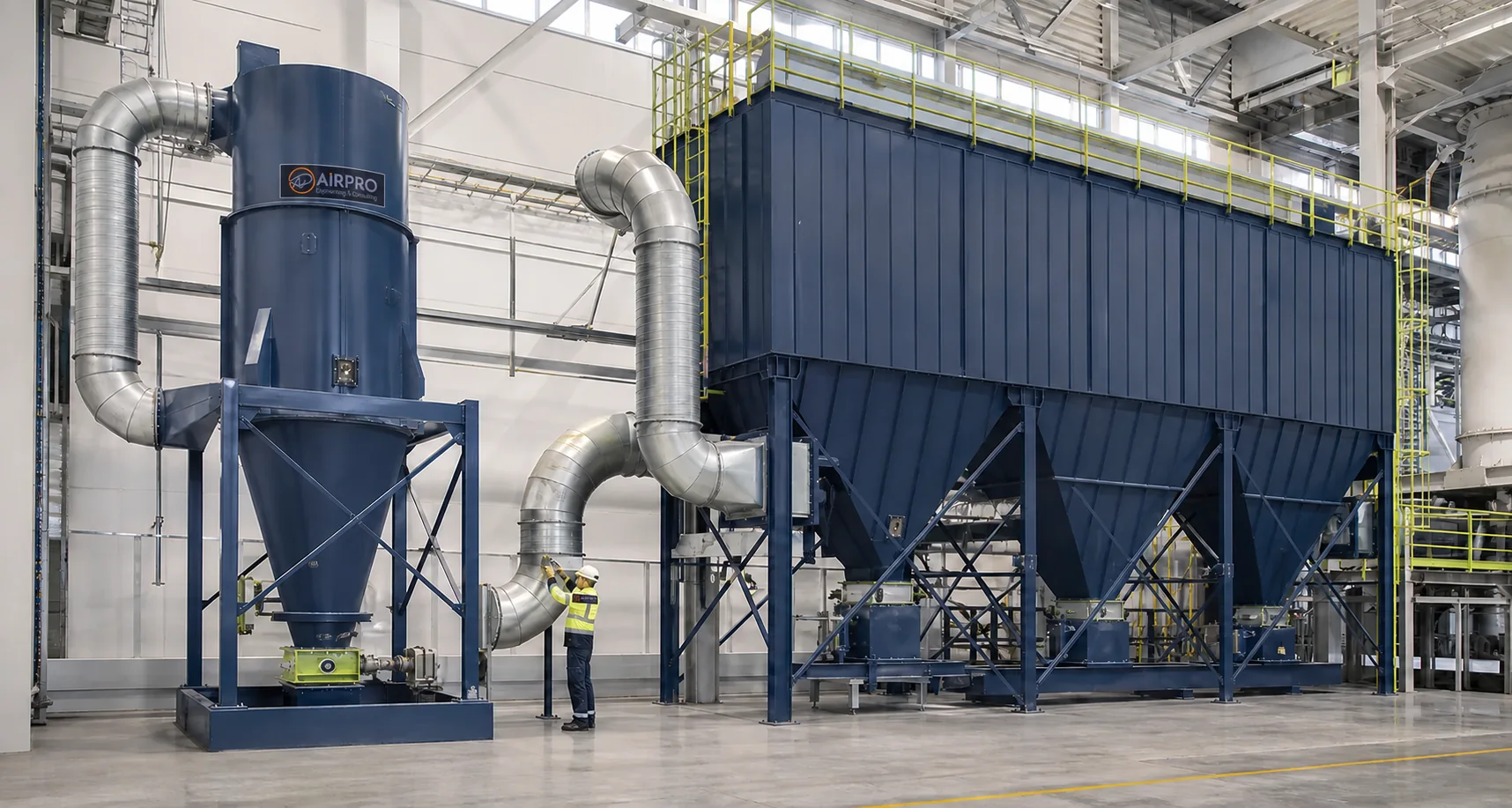
Particle size distribution, load and solid behaviour determine pre-separation and filtration.
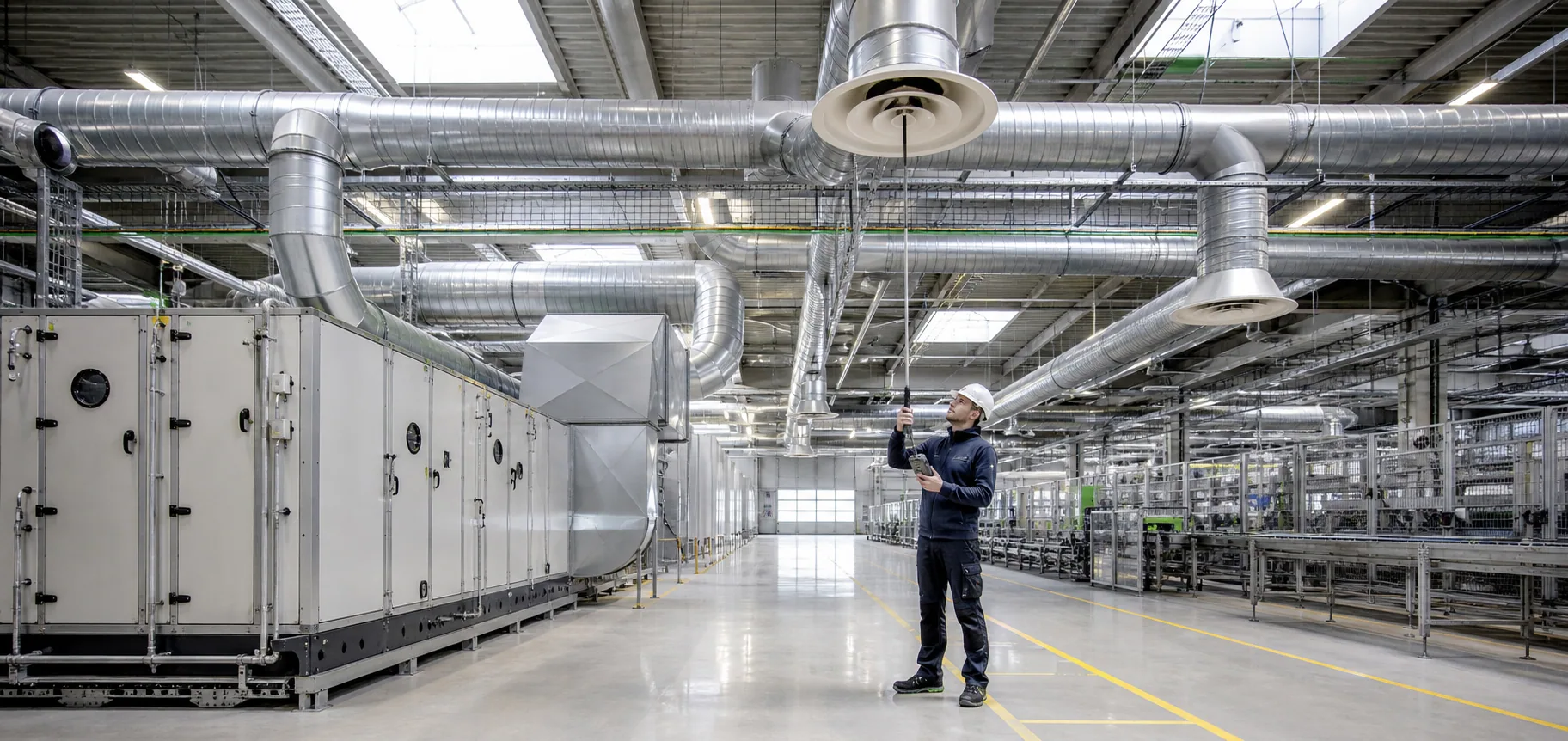
Channelling polluted air into an efficient treatment system that complies with your process and environmental requirements.
 AIRPRO EXPERTISE
Visible smoke, an odour or a gaseous emission may consist of several phases. AIRPRO identifies what needs to be removed, in what order and under what conditions, before designing the purification system.
Particle size distribution, load and solid behaviour determine pre-separation and filtration.
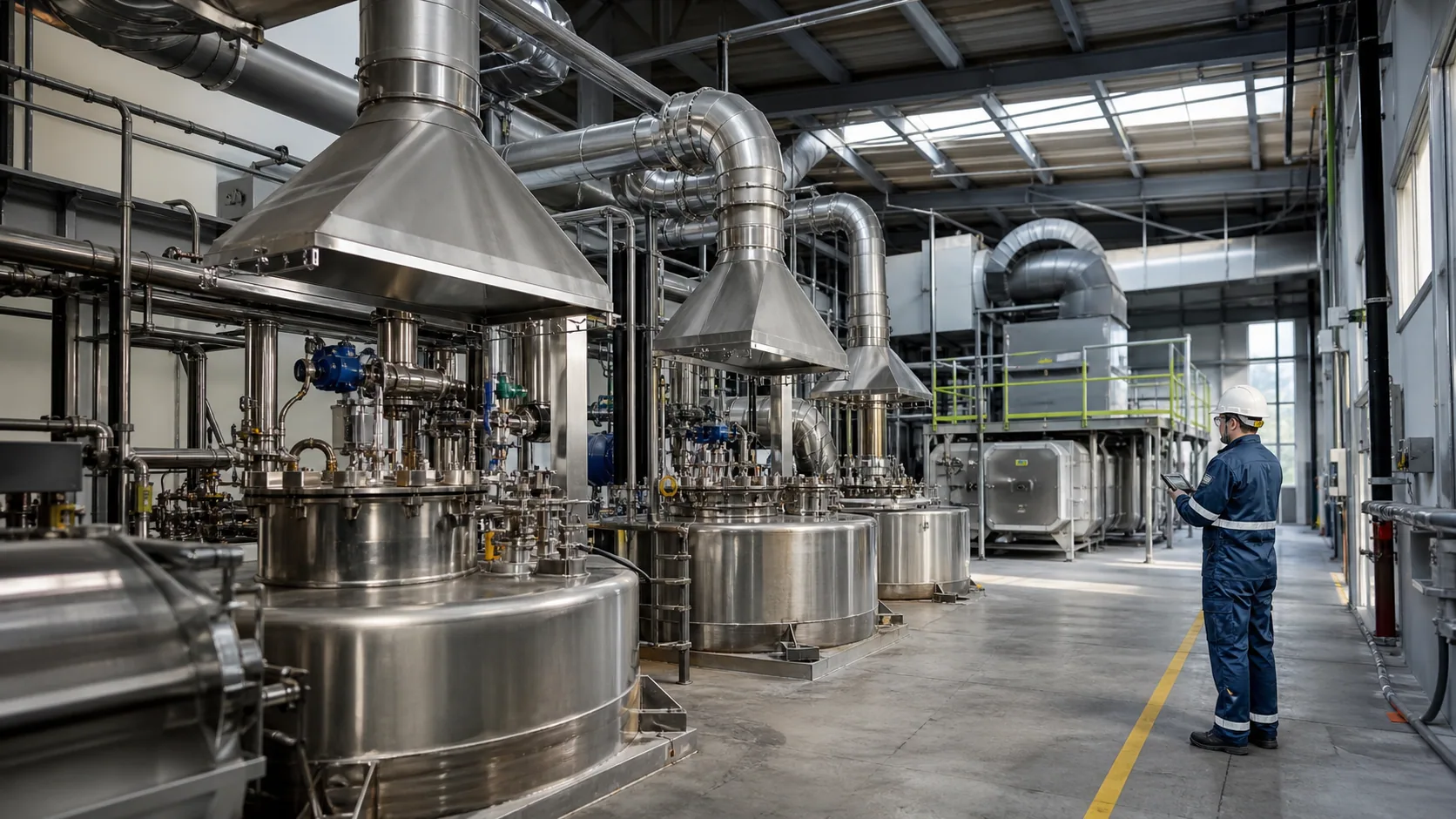
Droplets and condensables require separation, coalescence and thermal control.
Solubility, reactivity and concentration determine whether a substance is washed out, adsorbed or transformed.
A mixture of compounds may require several mechanisms and appropriate sensory evaluation.
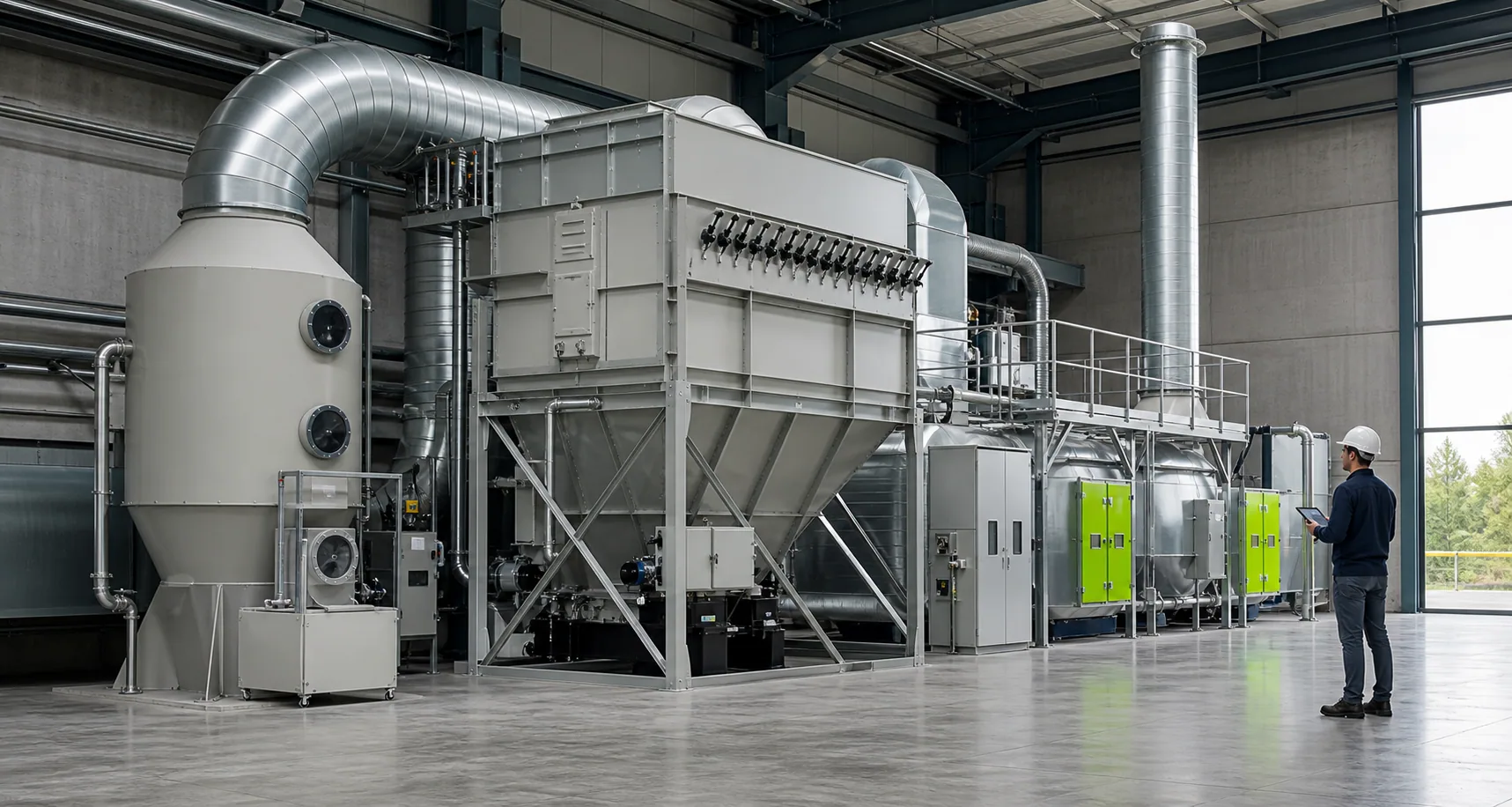
Each stage prepares the flow for the next. The correct sequence minimises fouling, stabilises performance and makes operation predictable.
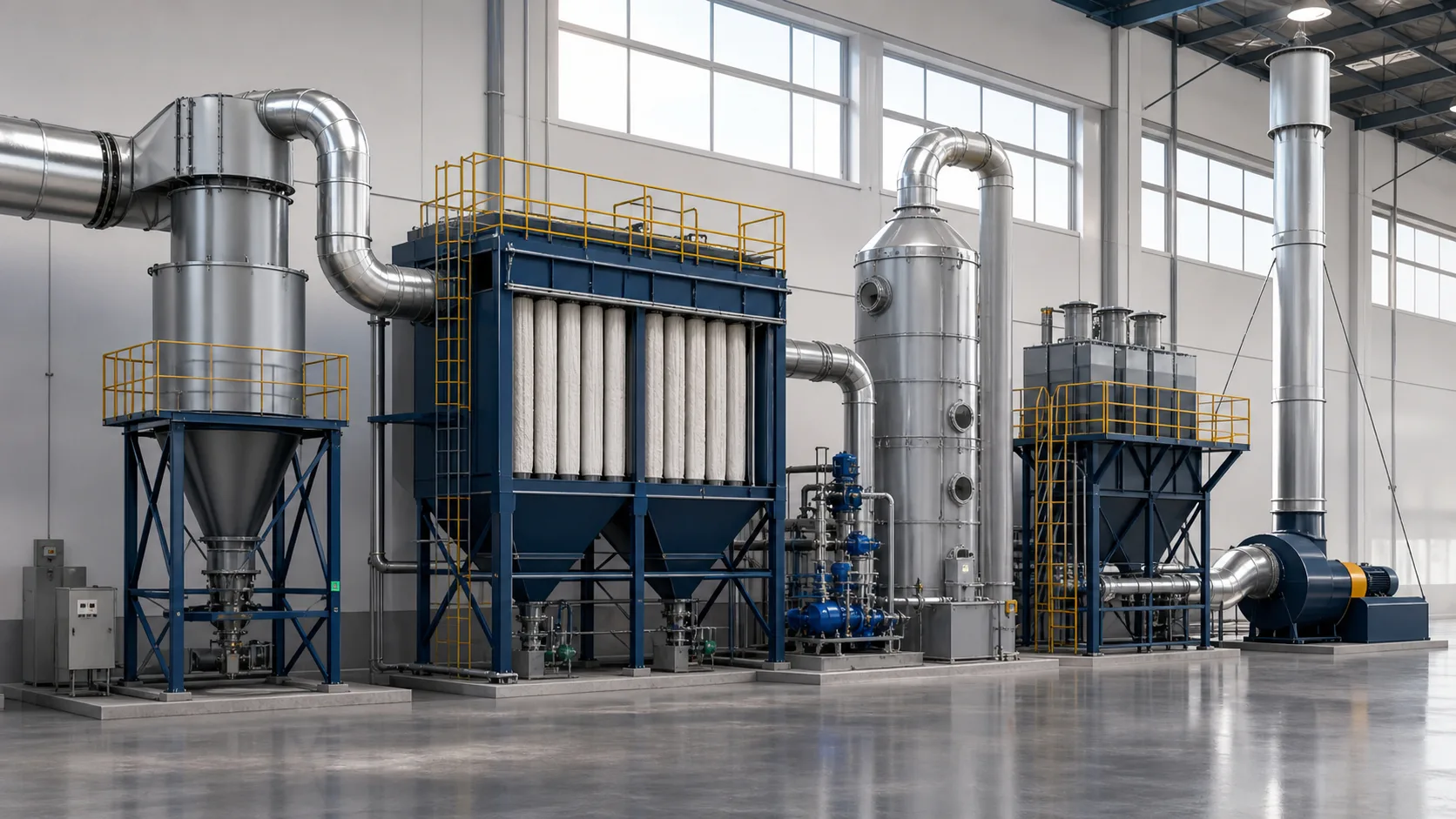
Remove coarse particles and protect sensitive floors.
Separate particles using a medium compatible with the flow.
Transfer certain compounds to a controlled liquid phase.
Refine the effluent using a medium selected according to the molecules and moisture content.
Destroy or convert pollutants where the process allows.
Humidity, temperature, dust and concentration peaks occur throughout the entire process. Their interaction must be anticipated right from the design stage.
A wet flow can reduce the effective capacity of the media or shift the adsorption equilibria.
An uncontrolled solid load can cause the liquid circuit to become clogged and increase the frequency of draining.
Condensation and media integrity must be checked across all operating conditions.
Peak concentrations can pass through a treatment stage sized only for average conditions.
Sampling points and operating indicators are integrated into the design to relate system condition to treated-air quality.
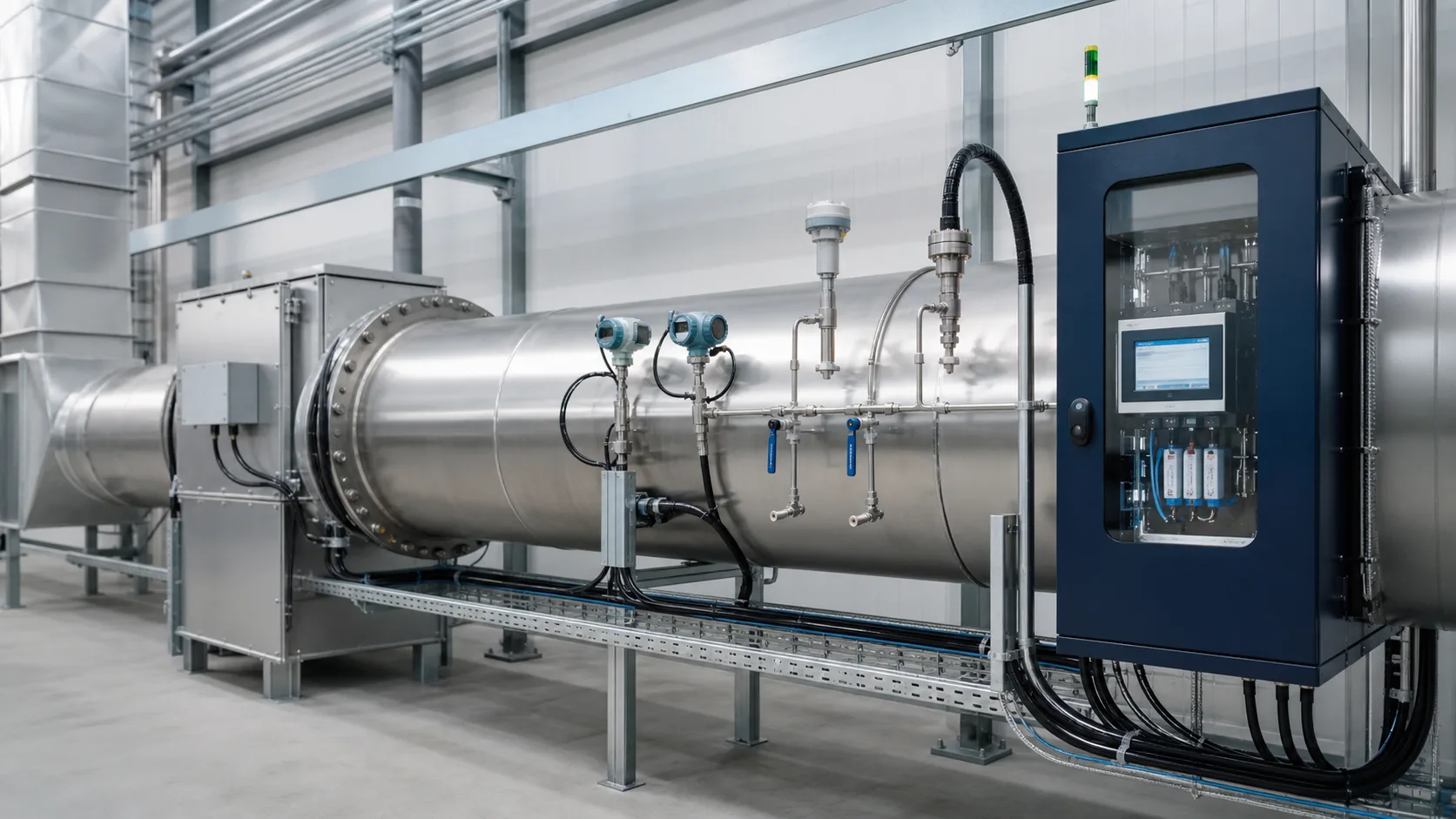
An initial assessment of the flow and the existing situation enables the identification of appropriate measures and combinations of technologies to be compared.
Describe my emissions or call +33 7 57 69 08 40Key considerations before selecting treatment stages.
The selection process is based on the nature of the pollutants, their concentration, the flow rate, the temperature, the humidity and the variability of the process. The emission target and operational constraints complete this analysis.
Yes. Pre-separation, particulate filtration and then gas or odour treatment may follow one another. The order of the stages is chosen to protect each piece of equipment and stabilise performance.
Measurement points and useful indicators are incorporated into the design from the outset. Flow rates, pressures, filter status and discharge measurements then enable the actual operation of the system to be monitored.

Describe your installation, issue or objective. An AIRPRO engineer will provide an initial technical assessment.