Products & throughput
Inlet temperature, daily mass, specific heat and cooling time.
Design a stable, energy-efficient cold store that is tailored to your products, logistics flows and process requirements.
 AIRPRO EXPERTISE
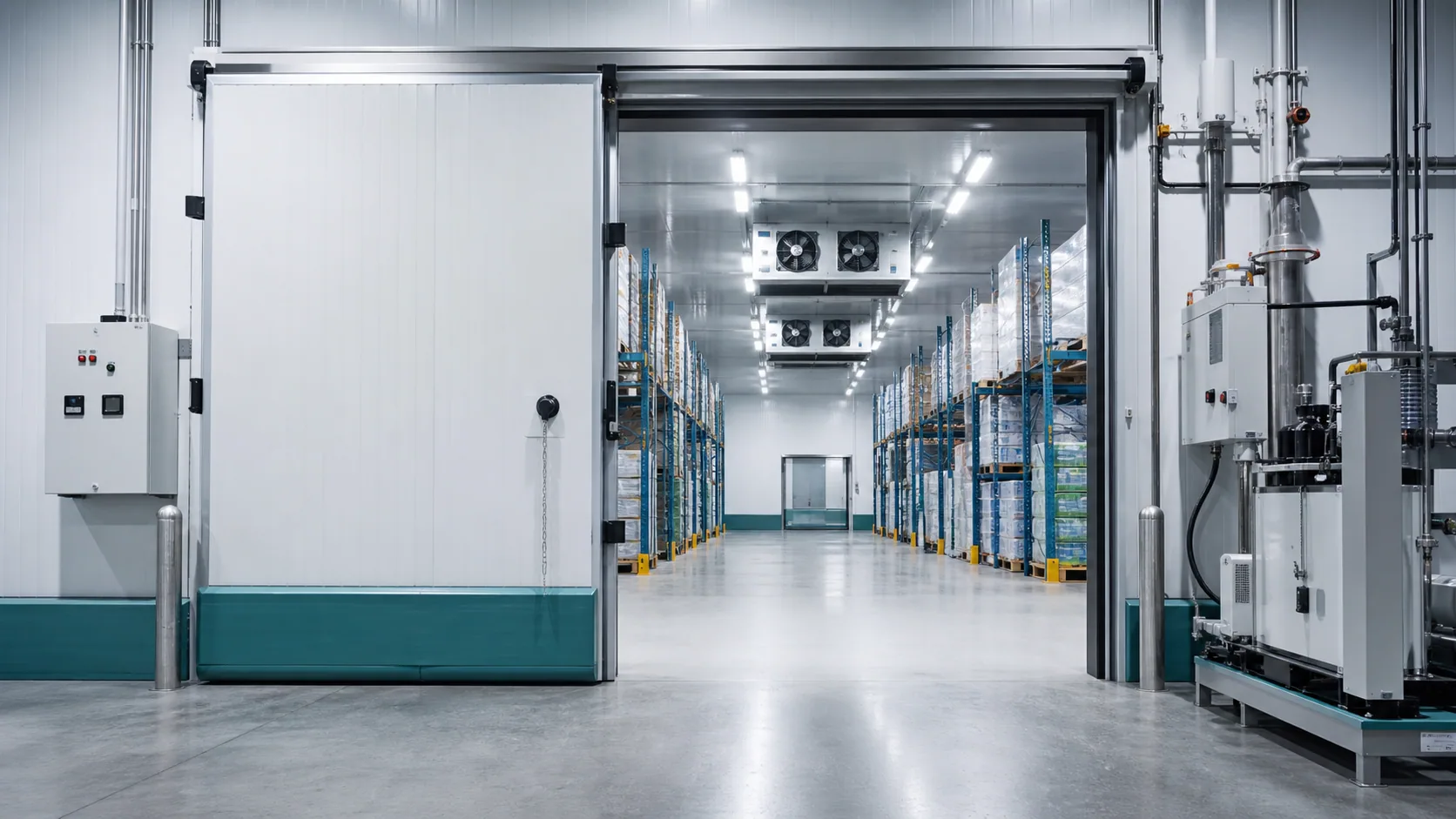
Volume alone is not the sole factor in sizing a cold store. Incoming goods, door openings, the building envelope, lighting and logistics cycles cause the load to vary from hour to hour.
AIRPRO translates these requirements into a thermal balance to prevent the installation from being undersized, unstable or unnecessarily energy-intensive.
Inlet temperature, daily mass, specific heat and cooling time.
Walls, floor, ceiling, thermal bridges, doors and frequency of opening.
Outdoor temperature, humidity, personnel, lighting and internal equipment.
Performance results from the interaction between insulation, refrigeration capacity, air distribution and control systems.
Minimise air infiltration through correctly specified panels, floors, doors and fittings.
Select the operating mode, refrigerant and equipment according to the expected capacity and availability.
Maintain a consistent temperature without drying out the products or disrupting operations.
Adapt the output, fans and defrosting to the actual load.
Each application requires specific temperature levels, humidity levels and cooling dynamics.
Temperature-controlled storage of fresh produce, raw materials and prepared products.
Priority: thermal stability and humidity control.Chamber, doors, floor and defrosting system designed for low temperatures.
Priority: maintaining a constant temperature and preventing frost.Cells, airlocks and preparation areas integrated into production lines.
Priority: to reach the target temperature within the available time.AIRPRO focuses first on avoidable loads, then on production efficiency and the quality of control systems.
Airlocks, high-speed doors and the organisation of airflows limit the ingress of humid air.
Frequency and duration are adjusted to actual requirements to avoid costly cycles.
The condensation temperature and heat exchange directly influence efficiency.
Alarms, logs and indicators make it easier to monitor deviations.
A floor plan, details of the products stored and some operational information enable initial assumptions to be made.
Submit my project or call +33 7 57 69 08 40Three solutions to better manage power, temperature and energy consumption.
The calculation takes into account heat gains through walls, openings, products, people, lighting, equipment and operating cycles. The capacity is then selected, taking into account an appropriate operating time and margin.
Positive-temperature refrigeration generally maintains temperatures above 0 °C. Negative-temperature refrigeration keeps products frozen and requires cladding, flooring, doors and a defrost system suitable for lower temperatures.
It is essential to combine insulation, control of openings, clean heat exchangers, optimised condensing pressure, efficient fans and defrosting controlled as required.
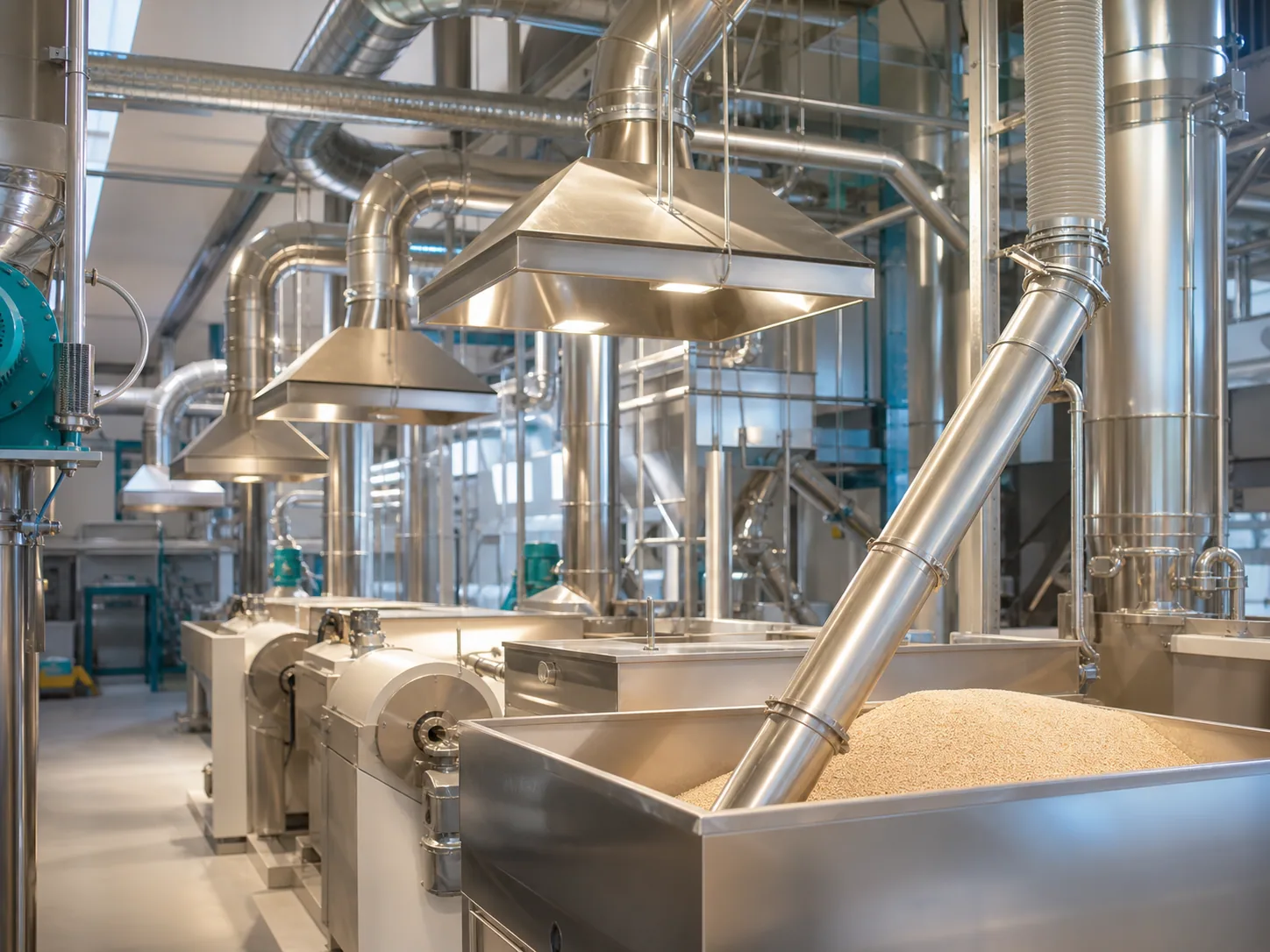
AIRPRO designs positive or negative cold rooms tailored to your products, production rates, building requirements and energy efficiency targets.
The service may include requirements analysis, thermal analysis, definition of the building envelope, refrigeration design, equipment selection, air distribution, control systems, technical drawings and specifications, as well as support right through to commissioning.

Describe your installation, issue or objective. An AIRPRO engineer will provide an initial technical assessment.